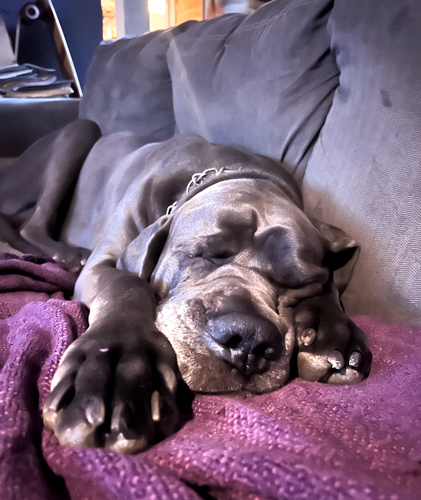
What to Pack in Your Dog's Day Bag: The Essentials for a Smooth Day Out
Whether your dog’s headed to a dog-sitter, a park adventure, or just out for a fun day with you, packing the right essentials ensures a smooth experience. Here’s what you should never leave home without in your dog’s day bag:
1. Water & Water Bowl
Always keep your pup hydrated! A collapsible water bowl is compact and convenient, and a portable water bottle makes it easy to keep your dog refreshed on the go.
2. Treats
Treats are a must-have for rewarding good behavior or simply keeping your dog satisfied. Choose healthy, easy-to-carry snacks, and make sure they’re well-sealed to keep them fresh.
3. Poop Bags (and Holder)
No matter where you go, be prepared with plenty of poop bags. A bag holder clipped to the side of your dog’s bag or harness ensures you’re always ready for a clean-up, even during unexpected potty breaks.
4. Toys & Comfort Items
A favorite toy or comfort blanket can help your dog feel at ease in new environments or during downtime. Whether it’s a squeaky toy or a chewy bone, it’ll help keep your dog entertained and relaxed.
5. Health Essentials
Pack any medications or health essentials your dog may need throughout the day. If your pup has special dietary needs or skin conditions, make sure to include any necessary products like anti-itch spray, allergy meds, or treats for sensitive stomachs.
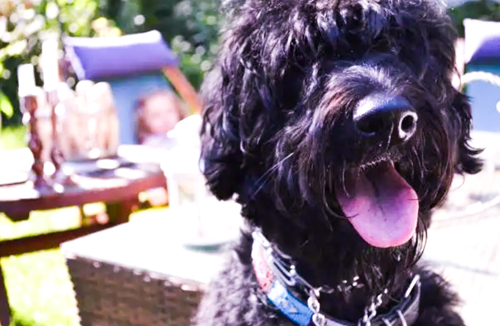
How to Keep Your Dog Safe and Comfortable While You’re Away
Leaving your dog with a sitter or at a daycare can be stressful for both you and your furry friend. To ensure they stay safe, comfortable, and happy while you’re away, here are some tips to make the transition as smooth as possible.
1. Introduce Your Dog to the Sitter Early
Before the big day, take the time to introduce your dog to their sitter. Let them spend some time together so your dog can get used to the new person. This helps reduce anxiety when you’re not around.
2. Create a Comfortable Environment
Make your dog’s temporary space feel as familiar as possible. Bring along their favorite blanket, bed, or toys. Familiar scents and objects can help ease the transition and make them feel more at home.
3. Provide Clear Instructions
Leave detailed instructions for the sitter about your dog’s routine. Include feeding times, walk schedules, favorite activities, and any health concerns. If your dog has medication or dietary restrictions, make sure these are clearly outlined. The more information you provide, the more confident the sitter will feel in taking care of your pet.
4. Pack the Essentials
When preparing your dog for their time away, pack all the essentials. This includes food, treats, their favorite toy, and any special items they might need, like grooming products or medications. The extra thought will make them feel cared for.
5. Maintain Their Routine
Dogs thrive on routine, so try to keep their day-to-day schedule as consistent as possible. Make sure your sitter knows your dog’s preferred walk times, feeding routine, and any other habits that help them feel comfortable.
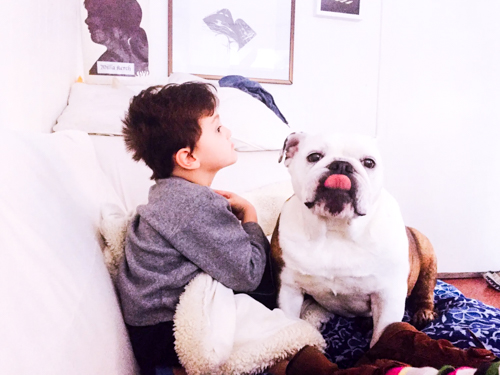
Checklist Before Hiring a Dog Sitter: What You Need to Know
Hiring a dog sitter is a big decision, and it’s important to find someone who will treat your pup like family. Before you hand over the keys to your home and trust someone with your dog’s care, here’s a simple checklist to ensure you’re making the right choice:
1. Experience and References
Ask about the sitter’s experience with dogs, especially if they’ve worked with dogs of your pup’s size or temperament. Check references from other pet owners to get an idea of their reliability and how they handle different situations.
2. Meet and Greet
Arrange a meeting between the sitter and your dog before you hire them. This gives you a chance to see how they interact with your dog, and it allows your pet to get comfortable with the sitter before you leave them alone.
3. Insurance and Bonding
Make sure the sitter has insurance and bonding. This protects both you and your pet in case of accidents or damage to your home. It’s always a good idea to ask for proof of coverage.
4. Emergency Plan and Vet Contact
Check that the sitter knows how to handle emergencies, such as accidents or health concerns. Ensure they have your vet’s contact information and are comfortable with the procedures for handling an emergency.
5. Clear Communication
Communication is key when you’re away. Confirm how often the sitter will check in with you, whether via text, photos, or calls. This helps you feel more at ease while you’re away and ensures you’re always updated on how your dog is doing.
6. Know Your Dog’s Routine
Make sure the sitter is familiar with your dog’s feeding schedule, exercise routine, and any special needs or habits they might have. The sitter should respect these details to keep your dog happy and comfortable.